Walking Trails at Mežaparks — What You Need to Know
Comprehensive guide to the easiest and most accessible trails in Riga's largest park, with detailed route information for different fitness levels.
Read MoreA nature lover's paradise with easy paths, observation towers, and chances to see rare birds and forest animals. Perfect for peaceful nature walks.

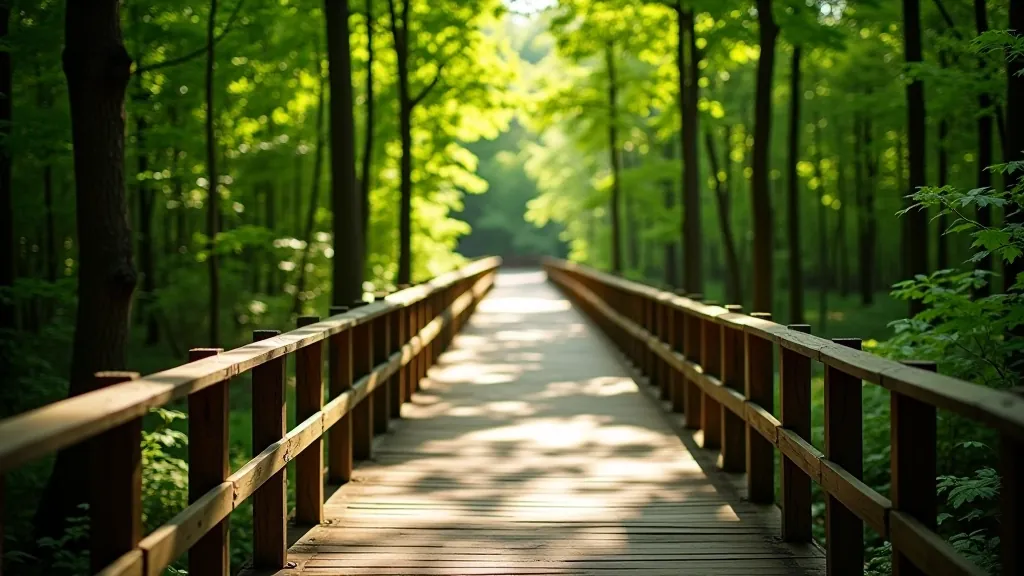
Tērvete Nature Park sits in central Latvia, about 70 kilometers from Riga, and it's genuinely one of the best-kept secrets for seniors who want real nature experiences. The park covers over 200 hectares of protected forest, and the trails here are designed so you won't feel rushed or exhausted. We've walked these paths ourselves — the wooden boardwalks are solid, the inclines are gentle, and there's always a place to rest if you need one.
What makes Tērvete special isn't just the scenery. You'll actually see wildlife. Birds especially. The park is on a migration route, so depending on the season, you might spot white-tailed eagles, black storks, or dozens of smaller songbirds. There's a network of observation towers positioned throughout the park — some are just 15-20 minutes apart — which means you can take your time between viewpoints without pressure.
The park has three main routes, and they're clearly marked. The shortest loop is about 2 kilometers — takes roughly 45 minutes at a comfortable pace. The middle route extends to 4 kilometers, which most seniors find manageable over about 1.5 hours. The longest full circuit is just under 7 kilometers, but here's the thing: you don't have to commit to it. You can walk partway, use the observation towers as turnaround points, and head back. There's no pressure to "complete" anything.
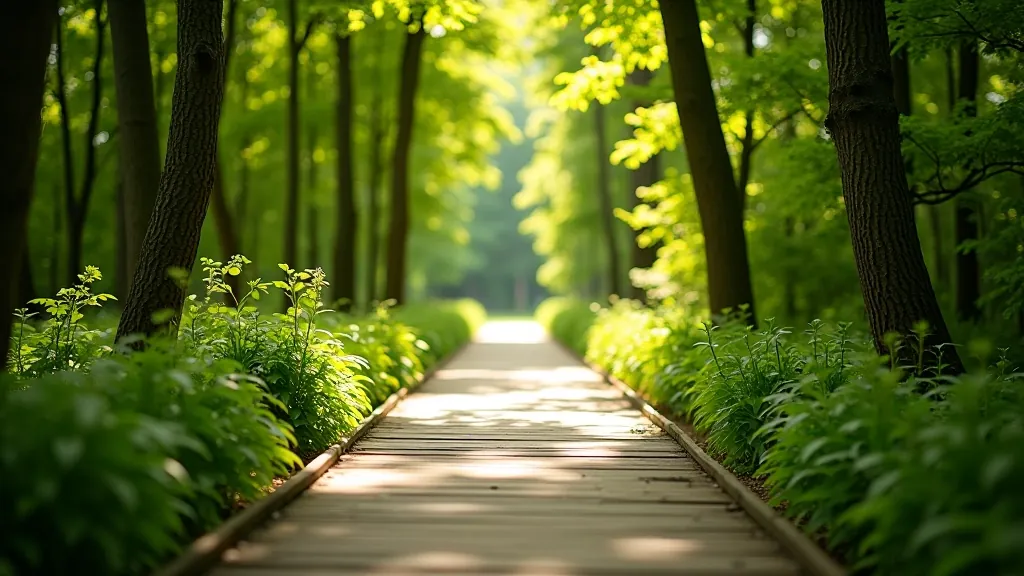
The boardwalks are the real winner here. Instead of rocky or muddy forest paths, you're walking on solid wooden planks. This matters more than you'd think — especially in spring when the forest floor gets wet, or if you've got any balance concerns. The handrails are there too, not intrusive, just helpful. Benches appear every 200-300 meters, so you can sit whenever you want, even if you're not tired. Some people just sit and listen to the birds.
The elevation changes are real but gentle. No steep climbs. The highest points give you views over the treetops, and you reach them gradually — nothing sudden. Plus, the paths are wide enough that if you're with someone, you can walk side by side and actually talk without dodging trees.
Spring and autumn are peak migration times. You'll see white-tailed eagles — these are massive birds, seriously impressive to watch. Black storks pass through too. The observation towers make all the difference because you're elevated, which gives you better sightlines without having to crane your neck constantly.
Summer brings smaller songbirds and woodpeckers. You'll hear them constantly. Winter is quieter for birds but you might see deer, especially early morning. The park has roe deer, red deer, and wild boar, though the boar are mostly active at dawn and dusk. Bring binoculars. Seriously. Even if you're not a bird person, having binoculars changes everything — you see detail you'd otherwise miss.
Pro tip
Visit in early morning or late afternoon for the best wildlife activity. Bring a small notebook to sketch what you see — you don't need to be artistic, it just helps you remember details.
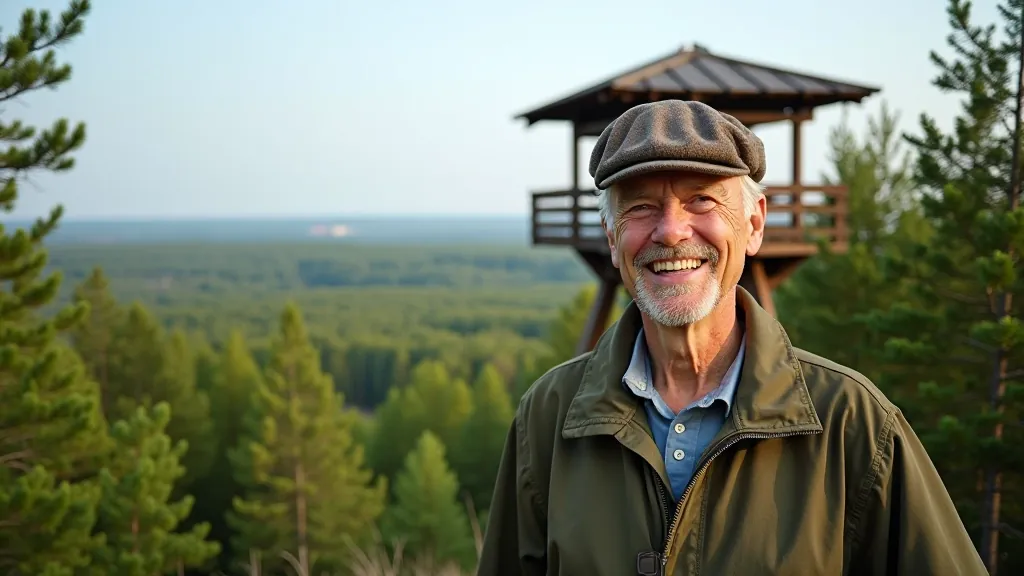
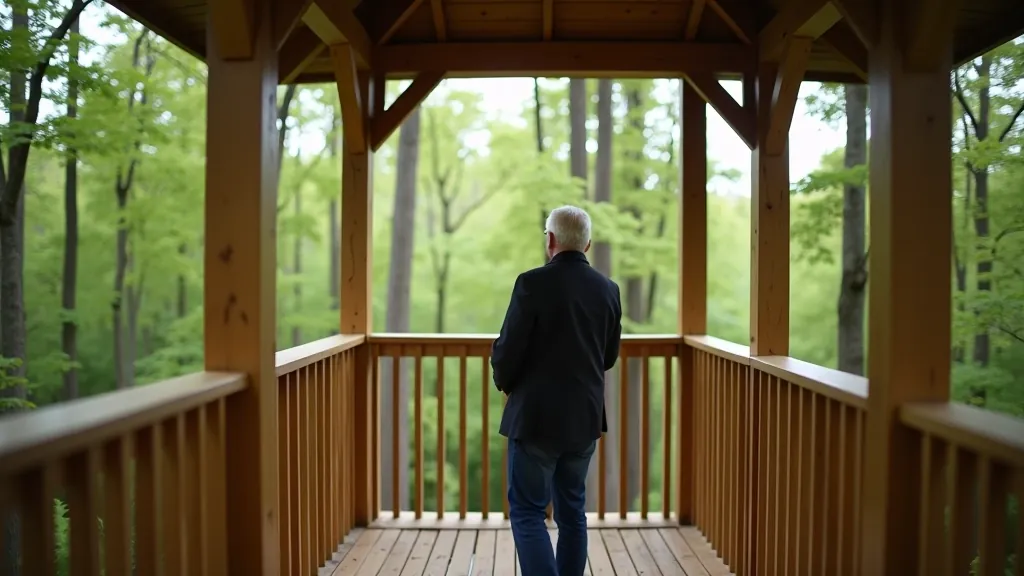
There are five observation towers scattered throughout the park. They're not dramatic skyscraping structures — they're practical. Most are about 10-12 meters high, which puts you just above the tree canopy. That's the sweet spot for seeing birds and animals. You get elevation without needing serious climbing skills. The stairs are gentle, with railings, and there's always a bench at the top.
The towers serve as natural rest points. You can use them as destinations. "Let's walk to the next tower," is easier than "Let's walk 3 kilometers." And when you reach one, you sit, watch, listen, catch your breath. The views aren't panoramic mountain stuff — it's forest as far as you can see. Which sounds simple until you're actually sitting there on a quiet morning and a deer walks past below, or you spot a woodpecker working a tree. These moments don't happen in photos. They happen when you're actually present.
The park entrance is near the village of Tērvete, about 70 km from Riga. Drive time is roughly 1.5 hours. There's adequate parking at the visitor center. If you don't drive, the bus from Riga to Tērvete village runs regularly — takes about 2 hours but it's reliable and affordable.
Spring (April-May) and autumn (September-October) are peak seasons for wildlife. Summer is warm but busier. Winter is quieter but colder — paths are maintained but you'll need proper footwear. The park is open year-round. Early morning visits mean fewer people and more animal activity.
Water bottle (there's no refill station on the trails), comfortable walking shoes with good grip, binoculars, light rain jacket. The forest provides shade so sun protection is secondary, but bring sunscreen anyway. A small backpack is enough — you're not carrying much. Insect repellent helps in summer.
There's a small entry fee, typically around 5 euros for adults. The visitor center has maps, information about current wildlife activity, and clean restrooms. Staff can suggest routes based on your fitness level — tell them honestly how far you want to walk and they'll recommend accordingly.
Don't aim to "complete" a route. Walk as far as feels good, sit at a tower, then decide if you want to continue or head back. The trails are designed so you can do this easily.
Wildlife responds to movement and noise. Walk slowly, talk quietly or not at all, and you'll see more. This also gives your body a gentler experience — no rushing.
Spend 15 minutes there before heading out. They'll tell you what's been spotted recently and which routes are quietest. This saves you from picking a crowded path.
Sketch birds, write down observations, note the time and weather. It engages your attention and you'll remember the visit much better than if you just walked through.
The park isn't fully wheelchair accessible — the trails are boardwalks with slight elevation changes. But for people with mobility concerns, the 2-kilometer loop is absolutely manageable. The surfaces are solid, handrails are present, and you can take breaks constantly without feeling rushed.
If you have balance issues, the handrails help. If you have breathing concerns, the gentle pace and rest points mean you're never forced to push harder than comfortable. The observation towers have benches at the top, so you can sit while looking out. There's no shame in using them. Most people do.
The visitor center staff are helpful about accommodations. If you're unsure about a specific route, ask. They deal with people of all abilities constantly and won't judge. The park exists to be enjoyed — not conquered.
Tērvete Nature Park isn't about Instagram moments or crossing something off a bucket list. It's about spending a few hours in a place where nature actually happens. You'll see animals. You'll hear birds you've never heard before. You'll sit on a bench above the forest canopy and remember why quiet places matter.
The trails are designed so you won't feel pushed. The observation towers give you purpose without pressure. The wooden boardwalks mean you're walking comfortably, not struggling with uneven ground. And honestly, that's what makes it perfect for seniors. It's not dumbed down. It's just thoughtfully built.
Whether you're a serious birder or just someone who wants to walk quietly through a forest, you'll find something here. That's the real appeal. Tērvete doesn't try to be anything other than what it is: a beautiful piece of protected forest with good trails and genuine wildlife. And sometimes that's exactly what you need.
Explore Other Parks for SeniorsThis article provides general information about Tērvete Nature Park for educational purposes. Conditions at the park, trail accessibility, and wildlife presence may change seasonally or due to maintenance. Always check with the visitor center or park management before your visit for current information about trail conditions, accessibility features, and any temporary closures. If you have specific health or mobility concerns, consult with your healthcare provider before undertaking any nature walk or outdoor activity. The park is a natural environment — weather, wildlife behavior, and terrain conditions are beyond human control. Visit at your own discretion and take appropriate safety precautions.