
Getting There & First Impressions
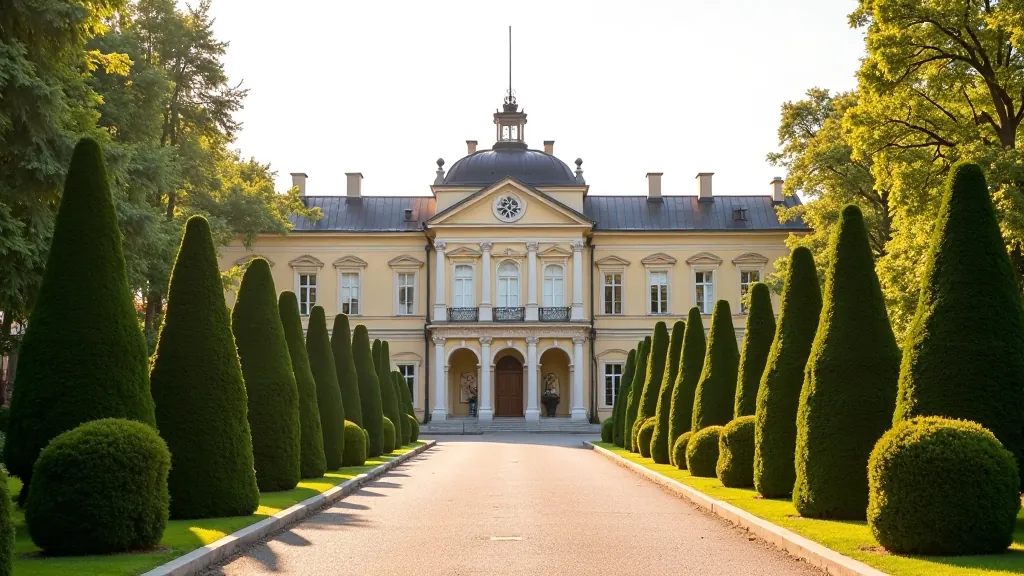
Rundāle Palace sits about 60 kilometers south of Riga, near the town of Bauska. It's the largest and most ornate palace in Latvia—a masterpiece of Baroque architecture that'll genuinely take your breath away. The palace itself is stunning, but we're here to talk about the gardens, and honestly, they're where the magic really happens.
The drive from Riga takes roughly 75 minutes by car, or you can catch a bus if you prefer not to drive. The main parking area is right at the entrance and it's spacious—plenty of spots for those who need them closer to the gate. From the car park, you're looking at a fairly level walk of about 150 meters to reach the garden grounds proper.
The Main Garden Layout & Accessibility
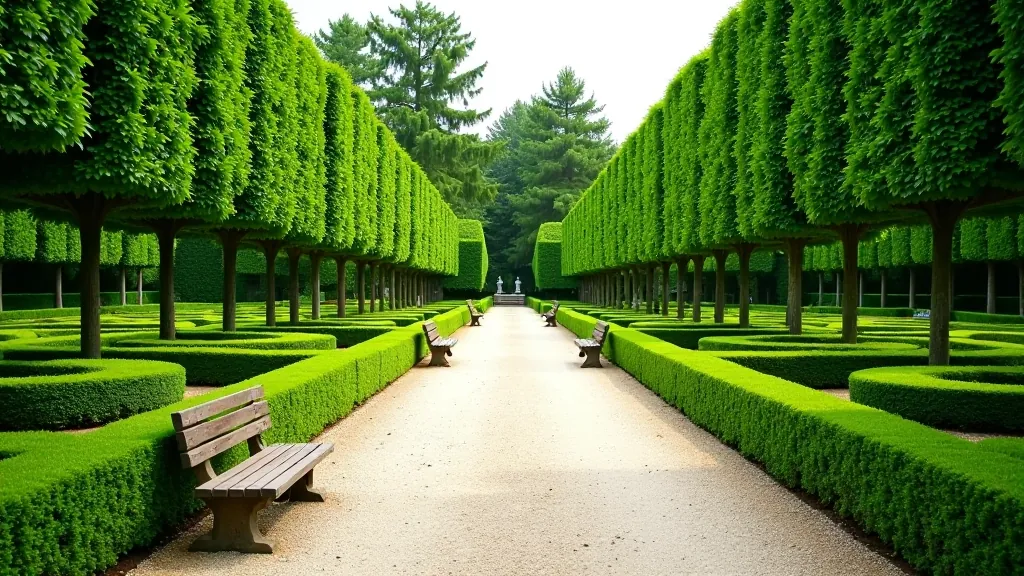
The formal gardens span about 12 hectares and they're divided into distinct zones. There's the front garden facing the palace—this is the most visited part and also the most accessible. The paths here are wide, well-maintained gravel that's reasonably firm underfoot. We're talking about 2.5 to 3 meters wide in most places, so wheelchairs and mobility aids have plenty of room.
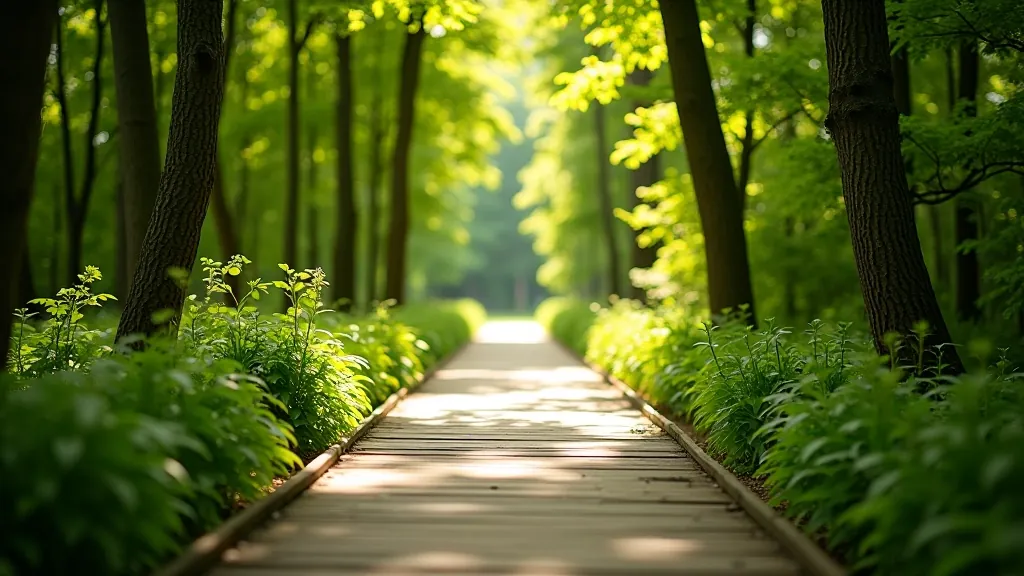
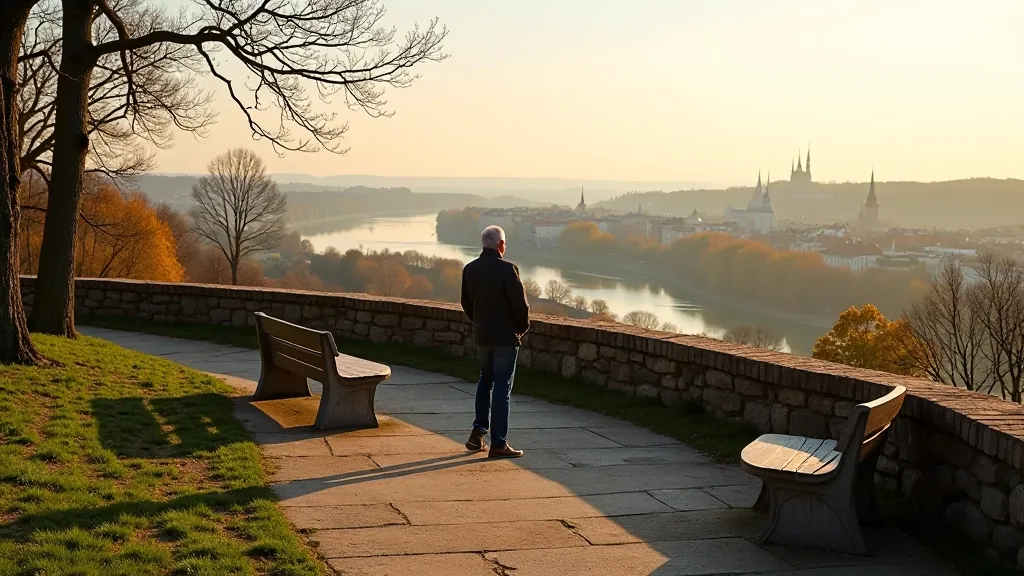
Beyond the front garden, you'll find the side gardens which are equally impressive but slightly less crowded. The paths get a bit narrower here—around 1.5 meters—but still entirely manageable. Benches are scattered throughout, and you'll find plenty of shaded spots under mature trees if you need to rest. The slope is minimal across most of the gardens, though there are a few slight inclines as you move away from the palace.
Quick Accessibility Facts
- Accessible toilet facilities near the entrance and in the palace building
- Resting areas with benches placed every 80-100 meters throughout gardens
- Firm gravel pathways, 2.5-3 meters wide on main routes
- Minimal slopes—no significant elevation changes on primary routes
- Designated accessible parking spaces near the entrance
- Allow 2-3 hours for a relaxed garden tour at comfortable pace
Best Routes & Photo Opportunities
If you've got limited energy, stick to the front and side gardens—you can cover these in about 60-90 minutes at an easy pace and see the absolute best parts. The formal hedges are magnificent in summer and autumn, creating perfect framing for photographs. The symmetry is almost mathematical, which sounds dry until you're actually standing there seeing it in person.
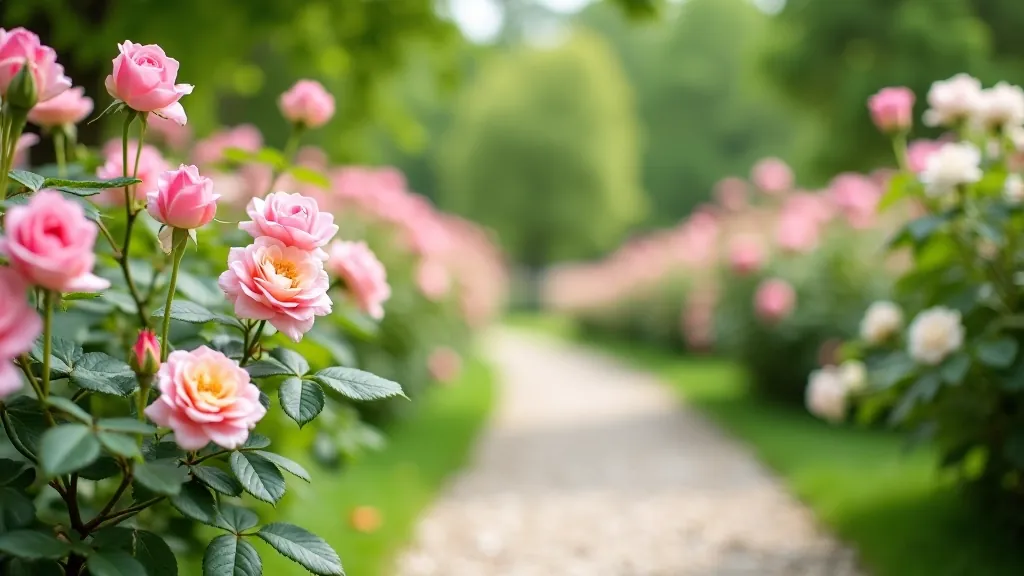
The best photo spots? Early morning light hitting the palace facade is exceptional—head there around 9-10am if you can. The rose garden (open May through September) is another gem, especially if you visit in June when everything's in full bloom. There's a small pond with water features near the back garden that makes for nice reflective shots without requiring you to venture too far from the main paths.
What to Bring & Practical Tips
Comfortable walking shoes are essential—the gravel's firm but it's still gravel, so proper footwear matters. Bring a hat and sunscreen, especially in summer. There's a café near the entrance with basic refreshments, but don't count on extensive food options, so pack some snacks if you plan to spend several hours.
The palace is open year-round, but the gardens are at their absolute best from May through September. Spring brings flowering shrubs and bulbs, summer offers the roses and full greenery, and autumn gives you golden light and fewer crowds. Winter's quieter and atmospheric, though some paths can be muddy or icy depending on conditions. Entry costs around €13 for the grounds alone, or €17 if you want to include the palace interior tour. That's reasonable value for a full afternoon's visit.
Planning Your Visit
Visit during quieter hours—aim for weekday mornings or late afternoon. Summer weekends can get busy with tour groups, which makes the paths feel cramped and photo opportunities more challenging. The gardens don't require more than 3-4 hours maximum, so you could easily combine this with a visit to Bauska town or nearby attractions without a full-day commitment.
The palace staff is genuinely helpful. If you mention accessibility needs when you arrive, they'll point you toward the easiest routes and can arrange golf-cart assistance if you're having a particularly low-energy day. It's not standard but they're accommodating if you ask.
There's something almost meditative about wandering through these gardens. You're not hiking—you're strolling through centuries of design and horticultural tradition. That distinction matters when you're looking for experiences that are genuinely rewarding without being physically punishing.